European Festival Afterglow • Curated 2026 Editions

FIND YOUR NEXT EUROPEAN FESTIVAL

Europe after sunset during festival season is something entirely its own: luminous ancient squares, thunderous alpine basslines, lantern-lit river walks, and garlic-sizzling street stalls. We curate the real European festival landscape across music, heritage, food, art, and solstice nights.

Destination Variety 28+ Countries From Iceland to Iberia
Festival Typologies 5 Pillars Sound, Heritage, Taste, Canvas, Solstice
Pacing & Duration Weekend to 7-Day Optimized for public transit
Seasonality All Four Quarters Spring thaw to midnight winter fires

Explore Core Categories

Curated Festival Channels

Every genre has its own rhythm, ticket ecosystem, and crowd personality. Pick your lane below.

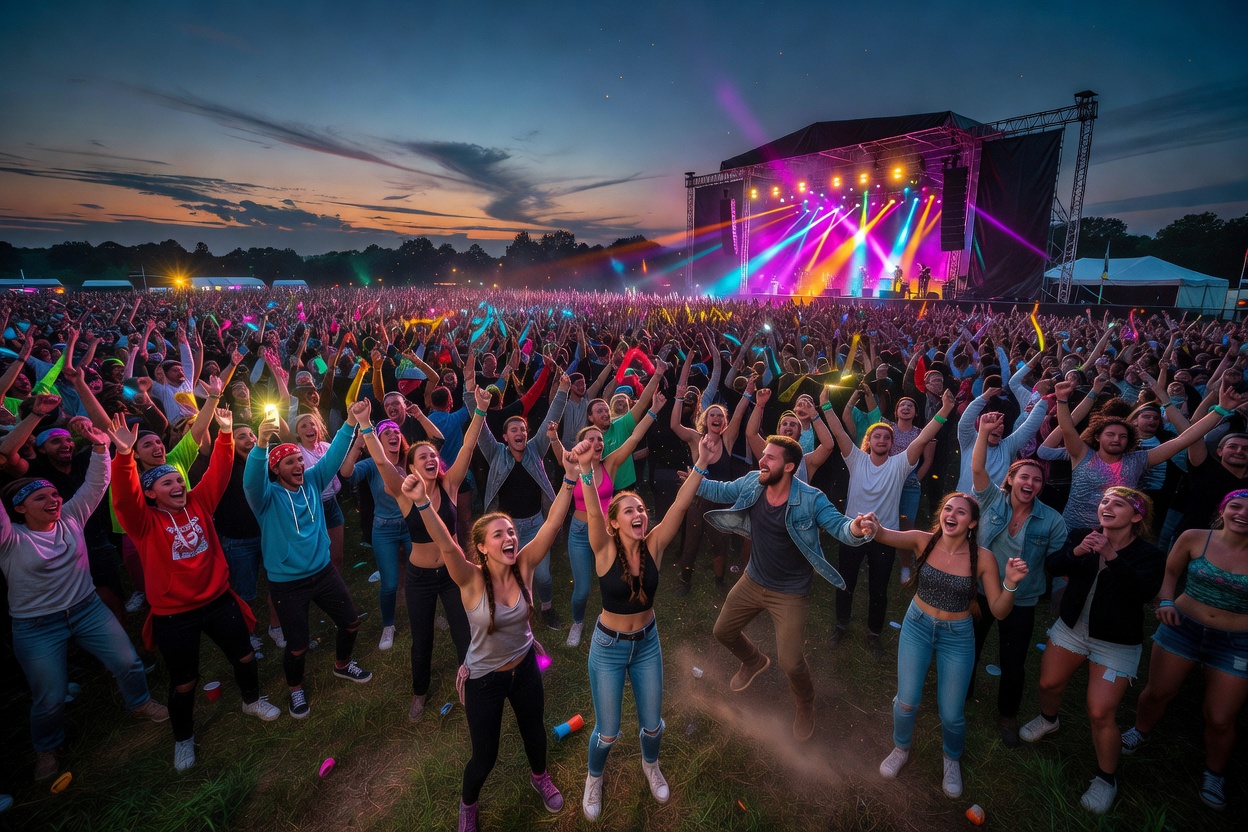
Vibrant stage lights illuminating a live European music festival crowd at dusk
Acoustic & Electronic 52.5200° N, 13.4050° E

Music Festivals

From historic Dutch shipyards blasting raw techno to acoustic indie sets staged in Portuguese pine groves. Here is how ticket waves, sound curations, and remote camping genuinely work.

Peak Seasons June — August
Typical Duration 3 to 5 Days
Budget Tier €180 — €450+ passes
Vibe Metric High Energy & Night Owls
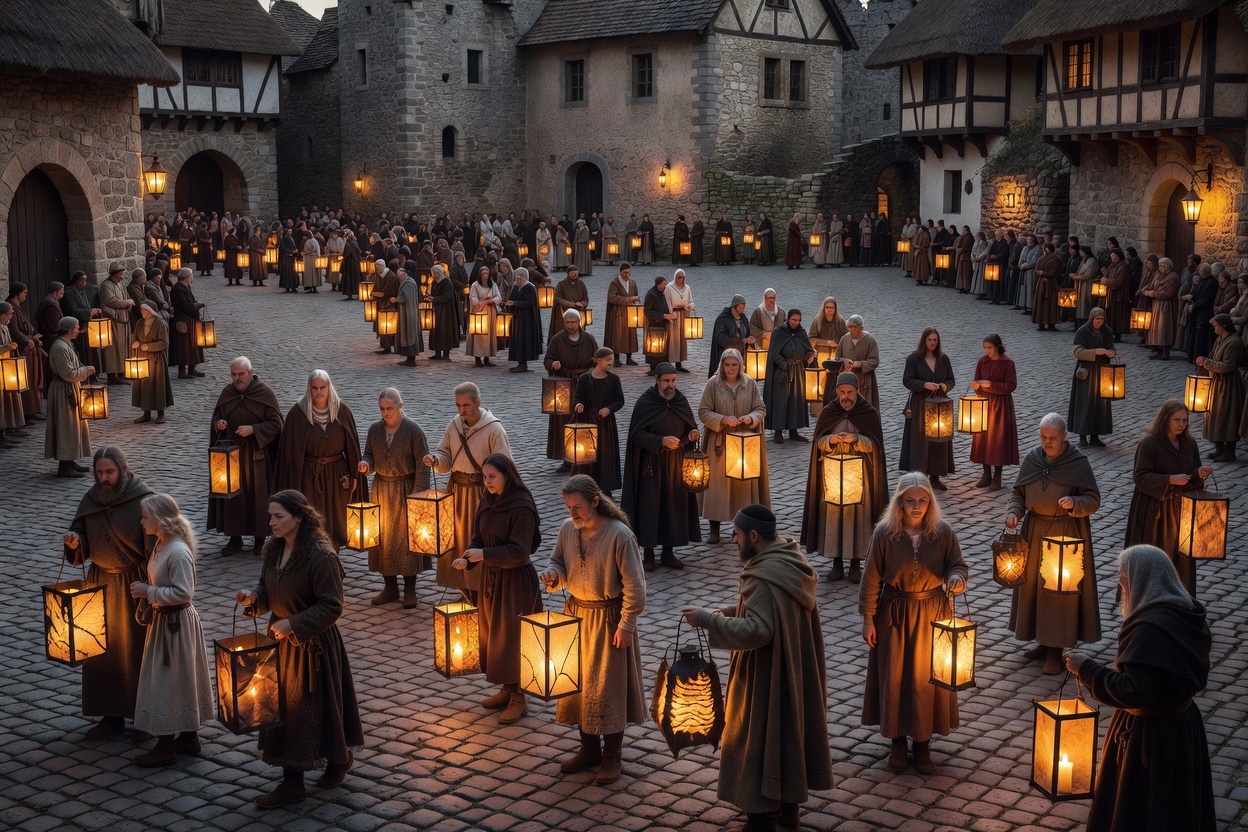
Traditional European cultural festival with lantern procession in an ancient cobblestone square
Heritage & Folklore 41.3879° N, 2.1699° E

Cultural Festivals

Centuries of regional lore brought alive with human towers, flaming effigies, masked processions, and historic municipal fanfare. Genuine living history without the tourist kitsch.

Peak Seasons Spring Thaw & Late Summer
Typical Duration 2 to 7 Days
Budget Tier Mostly Free Public Access
Vibe Metric Deep Community & Pageantry
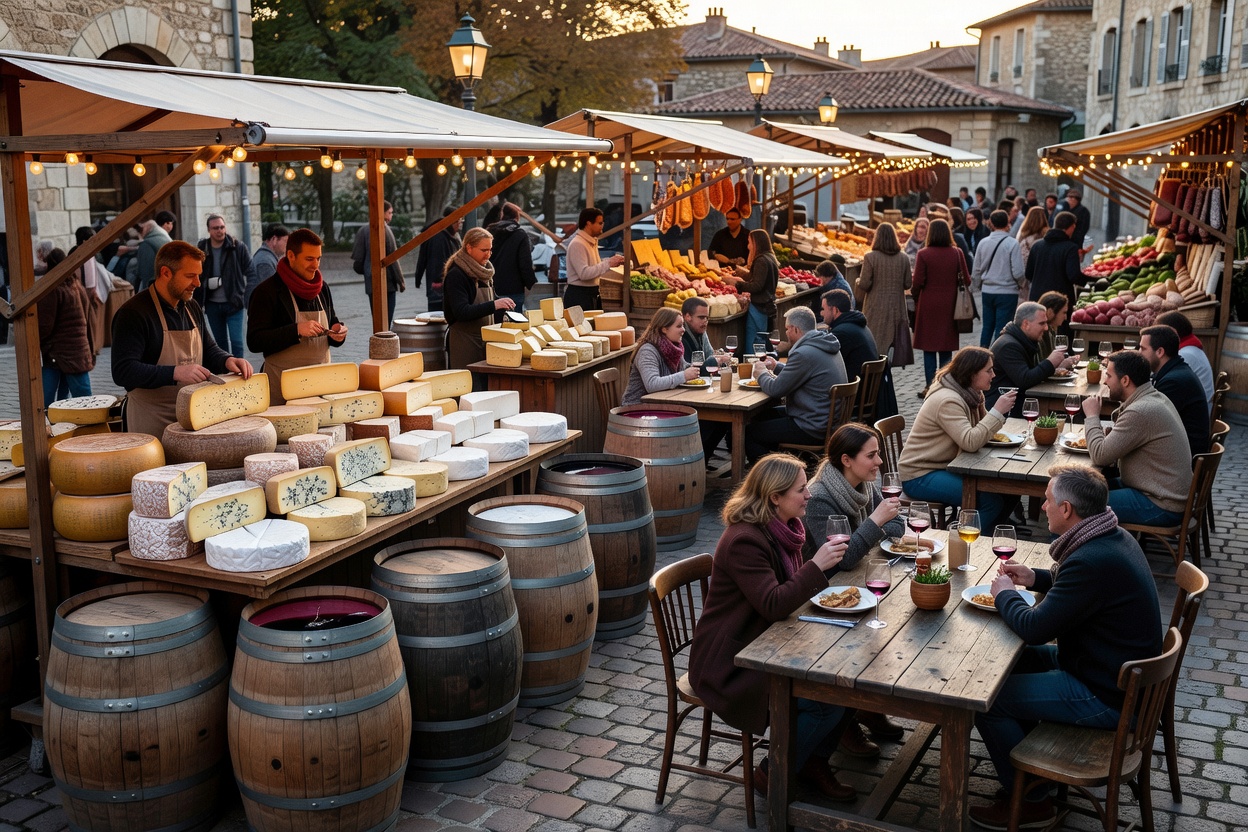
Festive European outdoor food market with artisan cheese, wine barrels, and rustic dining tables
Gastronomy & Wine 44.4949° N, 11.3426° E

Food Festivals

Truffle hunts in Piedmont, street pintxo showdowns in San Sebastián, and harvest wine banquets beneath vineyard pergolas. How to pace your tasting vouchers and eat like a local.

Peak Seasons May & September — October
Typical Duration 2 to 4 Days
Budget Tier Pay-as-you-taste (€30–€80/day)
Vibe Metric Savory, Unhurried, Social
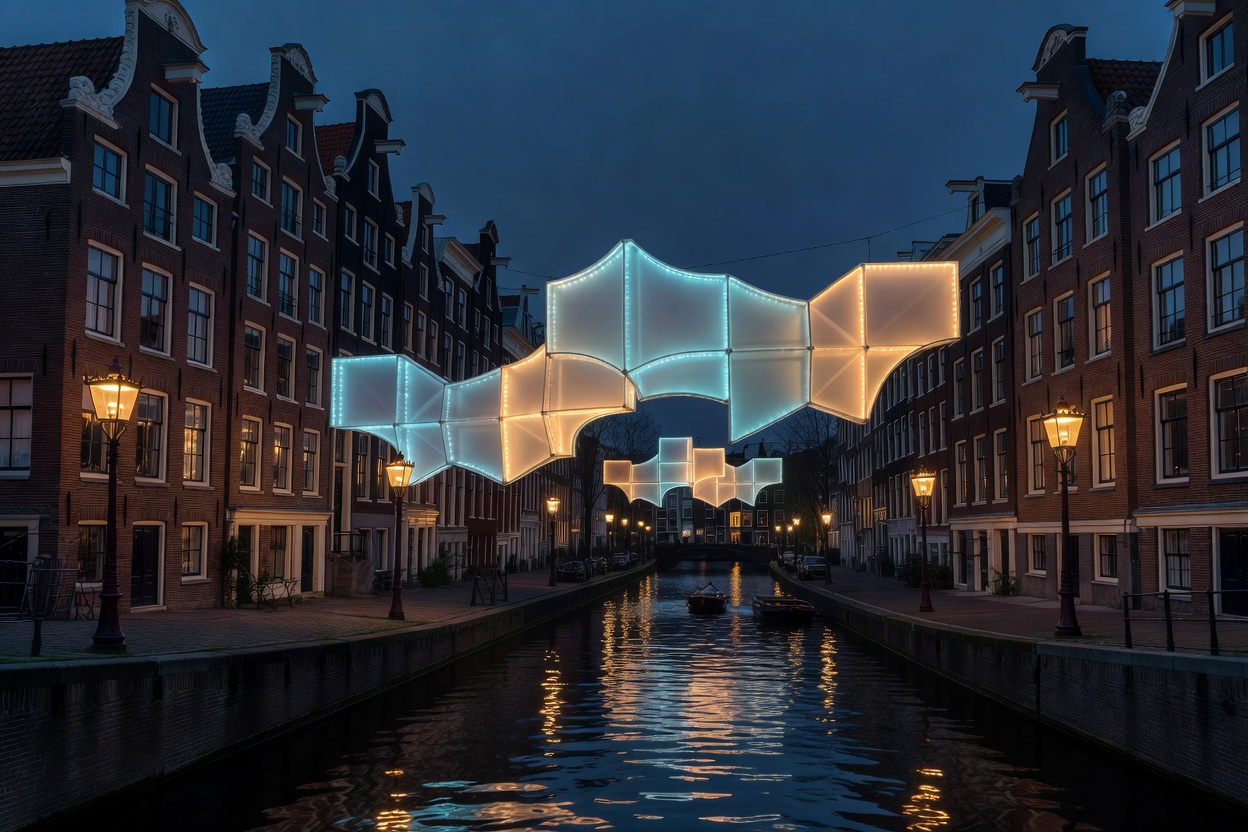
Contemporary glowing light installation in an urban European architectural canal setting
Visual & Conceptual 45.4408° N, 12.3155° E

Art Festivals

Biennials turning entire lagoon cities into living canvases, nighttime light projections on gothic cathedrals, and fringe theater taking over courtyard cellars.

Peak Seasons Late Spring & Early Autumn
Typical Duration Weekends to Multi-Month
Budget Tier Mixed (€0 to €35 pavilion pass)
Vibe Metric Curious, Tactile & Thoughtful
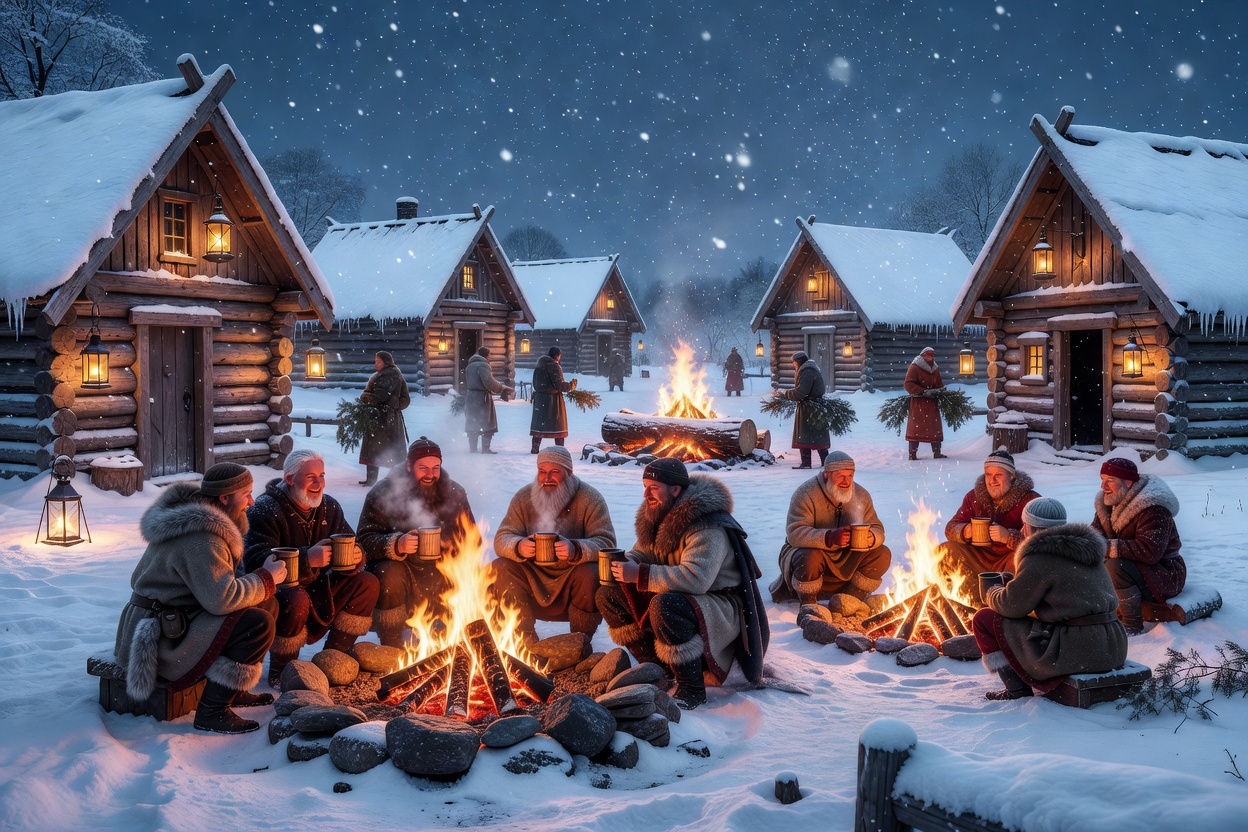
Snowy Nordic seasonal celebration with warm lantern light and midwinter fires
Solstice & Cycles 59.3293° N, 18.0686° E

Seasonal Festivals

Midsummer celebrations bathed in 24-hour Scandinavian twilight, blazing carnival bonfires in February, and spiced winter glühwein markets glowing under alpine snow peaks.

Peak Seasons Winter Solstice & Midsummer
Typical Duration 1 Day to Full Month
Budget Tier Accessible / Street Scale
Vibe Metric Atmospheric & Communal

Practical Strategic Planning

How to Choose Your European Festival Without Losing Your Mind

Let's be blunt: planning a festival run in Europe sounds effortless until you realize your favorite boutique event sits four train transfers deep in rural Lower Saxony, the only hotel within fifteen kilometers booked out in November, and you forgot that Sunday regional trains run once every two hours.

Choosing the right experience comes down to honest balancing between your tolerance for chaos, your sleep non-negotiables, and how you prefer to travel. Here is the peer-to-peer checklist we run through every single year before locking down calendar dates:

1. Transit Feasibility

Can you get there on rail? In countries like the Netherlands, Germany, Belgium, and France, festival shuttles directly link mainline train stations to venue gates. If you are heading into the hills of central Portugal or the Romanian Carpathians, build in car share contingencies or dedicated private coaches.

2. Camping vs. City Base

Camping on-site gives you zero-friction access to 4 a.m. sets and impromptu acoustic circles. But European summer thunderstorms are notorious for turning lush pastoral meadows into knee-deep mud baths within forty minutes. City festivals mean real showers, quiet beds, and morning espresso, but require strict last-train navigation.

3. Budget Realities

Ticket prices are only a third of your actual cost. Factor in festival token systems (RFID wristbands that often deduct a non-refundable activation fee), city center lodging surges (which triple during high summer festivals), and train seat reservations on high-speed lines like Eurostar or TGV.