European Cultural Festivals: Ancient Rhythms in Living Squares
Long before modern stage lights and digital wristbands existed, European towns gathered around midwinter bonfires, pre-Lenten carnivals, and patron saint feasts. Experiencing these celebrations isn't about watching a staged museum show; it's about being swept up in an entire community’s living identity.
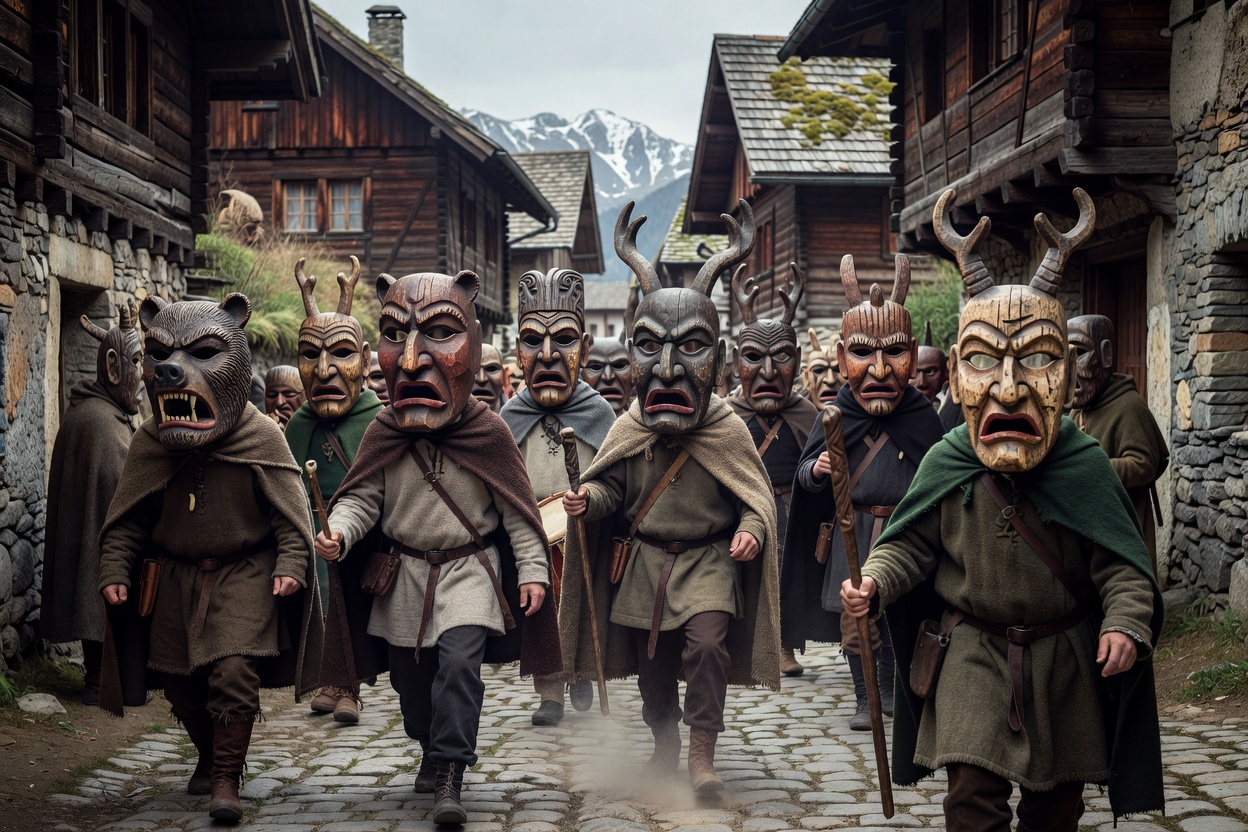
Living Heritage: When Entire Towns Become Stages
Unlike commercial festivals gated behind security fences, European cultural celebrations weave throughout public streets, cathedrals, and ancient plazas. You are not a customer here—you are an observant guest witnessing rites passed down through generations.
Regional Lineages: From Alpine Perchten to Catalan Castells
The richness of European cultural events lies in hyper-local nuance. Drive sixty kilometers in any direction, and the costume symbolism, dialect songs, and ancestral meanings completely transform.
- Alpine Winter Cleansings (Austria, Switzerland, Northern Italy): Known regionally as Krampuslauf or Perchten, costumed villagers carve terrifying wooden masks, don heavy sheepskin furs, and clang deafening cowbells to shake winter lethargy from the valleys. It’s loud, raw, and exhilaratingly intense.
- Catalan Human Towers and Fire-Runs (Spain): In celebrations like La Mercè or Festa Major de Gràcia, colles (teams) stack human bodies eight to ten tiers high (Castells) in dizzying displays of collective trust. At night, the Correfoc unleashes devils dancing through crowds under fountains of fireworks.
- Sardinian Equestrian Jousts & Masked Rites (Italy): The Sartiglia of Oristano features masked riders galloping full tilt through sand-carpeted city streets to impale a suspended silver star on their swords. It’s an equestrian spectacle virtually unchanged since the 16th century.
- Celtic Fire and Midsummer Marches (Ireland, Scotland, Galicia): Beltane fires and ancient coastal pipe bands celebrating seasonal turning points with torchlit processions that descend hillsides into sea harbors.
What First-Time Visitors Need to Know
Because cultural events occur on public streets rather than enclosed private festival grounds, basic rules of tourism flip on their head. You cannot rely on printed English schedules, and designated viewing platforms are rare.
Here is how you navigate them smoothly:
- The timetable is a guideline, not a contract: Traditional processions move at the speed of human beings, horse hooves, and town banter. If an event is billed for 4:00 p.m., do not be alarmed if solemn bells only begin tolling at 5:15 p.m. Grab a beverage at a sidewalk bar and settle into local pacing.
- Respect sacred boundaries: Many festivals overlap with religious veneration or solemn mourning periods (such as Semana Santa processions in Seville or Sicily). When participants don penitential robes or carry centuries-old floats, maintain quiet respect. Do not push through marching ranks to snap selfies.
- Wear non-synthetic outerwear if fire is involved: If attending fire festivals like the Fallas of Valencia or Catalan fire-runs, synthetic down jackets melt instantly from stray embers. Wear heavy denim, natural wool, or old cotton hoodies, and bring protective glasses or a bandanna.
Cultural Etiquette: Participating Without Intrusion
There is a world of difference between joining in the civic pride of a city feast and treating local culture like a theme park backdrop.
Do: Support Local Associations
Many traditional neighborhood events are funded year-round by local neighborhood clubs (casales or confraternities). Buy festival pins, neighborhood scarves, and homemade treats from designated stalls. That €10 goes directly into next year’s artisan costumes.
Don’t: Wear Inauthentic Costumes
Unless expressly invited or participating in a specific open-participation masquerade (like Venice Carnival or Cologne Karneval), avoid wearing store-bought caricature outfits to ancestral ceremonies. Plain, respectful streetwear is always preferred.
Do: Learn Basic Greeting Phrases
Throwing out greeting greetings in the regional language—whether that is Galician, Basque, Occitan, Romansh, or Venetian dialect—instantly signals humility and genuine interest in the culture you are witnessing.
Lodging Bottlenecks and How to Plan
Because these festivals frequently take place in small historic towns with limited accommodation, hotel rooms within walking distance often sell out twelve months in advance to returning families.
If you decide to attend late, your best bet is staying in a larger neighboring town linked by regional train. For example, staying in Bologna during nearby Emilia-Romagna village pageants, or lodging in Alicante during the Moros y Cristianos fiestas in Alcoy. Just verify evening return train or bus schedules before setting out.