European Art Festivals: Canvases That Spill Into City Streets
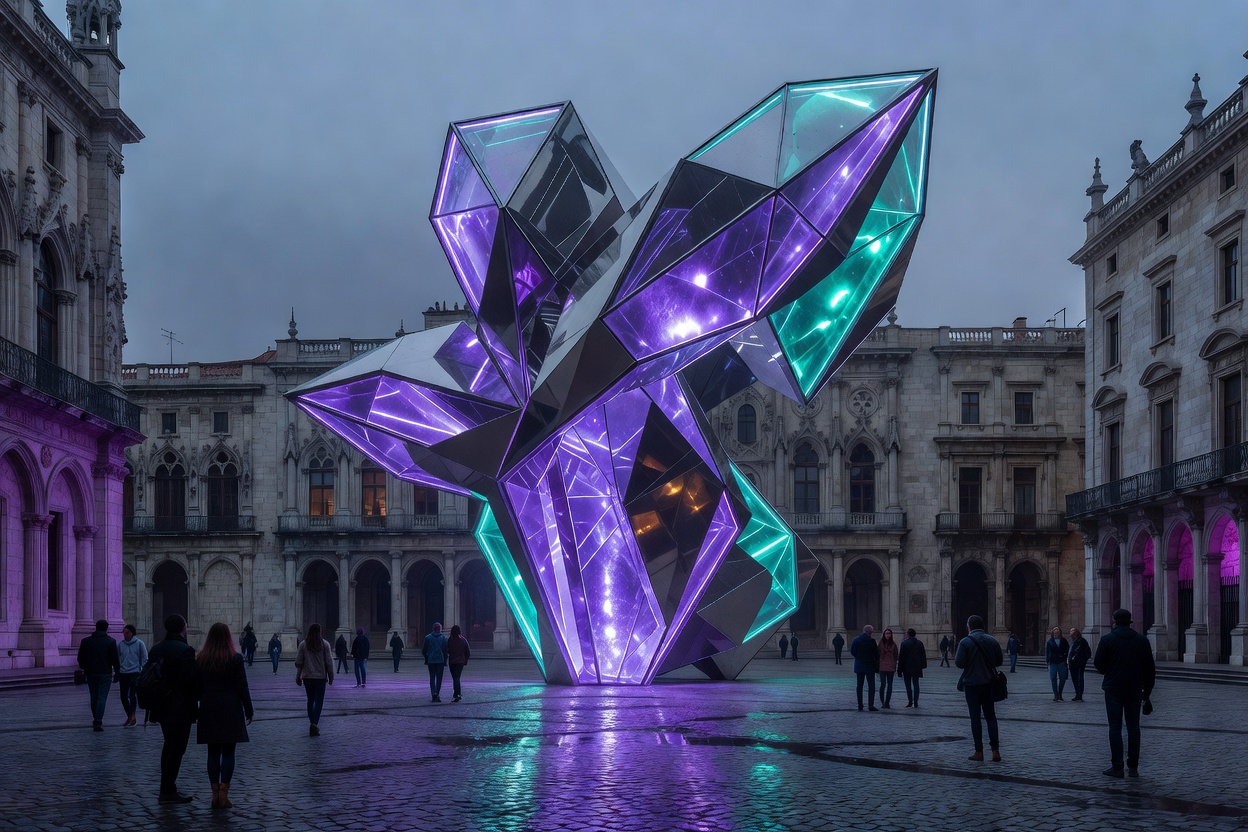
Europe’s contemporary art festivals don't remain politely locked behind white-walled galleries. They seize whole canal ways, take over decommissioned power stations, drape monumental tapestries over gothic facades, and illuminate misty autumnal riverbanks with interactive light installations.
Biennials, Design Weeks, and Illuminated Nights
Whether you are tracing the national pavilions of the Venice Biennale, navigating Dutch Design Week's industrial workshops in Eindhoven, or walking Lyon’s Fête des Lumières, these festivals treat urban geography as their medium.
The Big Typologies: From Venice to Salone del Mobile
Not all art festivals function the same way. Knowing how they differ helps you curate a trip that inspires rather than exhausts:
- International Biennials & Triennials: These run for months (most notably in Venice, Istanbul, and Berlin). National curators invite artists to address pressing societal questions. You’ll walk through military dockyards (like the Arsenale), private gardens, and deconsecrated churches transformed into spatial soundscapes and kinetic sculptures.
- Design Weeks (Milan, London, Eindhoven): An energetic clash of industrial product design, sustainable material prototypes, fashion pavilions, and public installations. The action isn't just in fairground expo halls; the real magic lives in fringe districts (like Fuorisalone in Milan or Strijp-S in Eindhoven) where abandoned garages host wine bars and conceptual furniture showcases.
- Metropolitan Light Festivals: Autumn and winter spectacles where projection-mapping artists turn centuries-old architecture into animated narratives. Outstanding examples include Lyon, Amsterdam, and Prague. These are fully public and best explored on foot after dark with hot roasted chestnuts in hand.
Free vs. Ticketed: How to Optimize Your Budget
One of the best-kept secrets of European art festivals is that you rarely have to pay for everything. While central pavilions (like the Giardini in Venice or commercial design centers) require admission tickets, extensive collateral events—referred to as "Off-Biennale" or "Fringe"—are completely open to the public without a fee.
For instance:
- Private foundations often rent historical palaces during festival season and open them free of charge to showcase emerging sculptors.
- City councils sponsor monumental public outdoor sculptures in public parks and squares that require zero queuing.
- Late-night gallery weekends often provide complimentary drinks and curator talks on Friday evenings.
Designing a Friction-Free Art Weekend
Art fatigue is very real. If you try to view seventy installations in six hours, your brain will shut down and everything will blur into a haze of minimalist video loops.
Limit to Two Venues Daily
Pick one major morning exhibition and one late afternoon neighborhood cluster. Spend the middle of the day over a slow lunch discussing what you actually felt or thought about the pieces.
Follow the Off-Circuit Guides
Independent artist-run spaces frequently publish alternative PDF maps or community posters that highlight counter-cultural exhibitions off the official corporate festival maps.
Book Opening Weeks with Care
Preview weeks (professional press days) are buzzing with parties and networking, but hotel rates hit extreme peaks. Visiting during week three or four offers the exact same art with halved room prices and zero VIP elbowing.
Architecture & Spatial Installations
Architecture biennials (such as those hosted in Venice, Rotterdam, and Lisbon) offer a deeply tangible experience for non-architects. Instead of technical blueprints, curators build 1:1 scale pavilions exploring rammed-earth housing, recycled timber structures, acoustic isolation pods, and community urban gardens. It’s an inspiring window into how European cities might look thirty years from today.