European Music Festivals: Finding Your Rhythm in the Crowd
If you have ever stood in an abandoned steel refinery outside Katowice as four-on-the-floor kick drums rattle your ribcage, or watched dusk settle over a Basque hilltop amphitheater while an acoustic chorus echoes off stone walls, you know Europe does live music differently. There is no monoculture here.
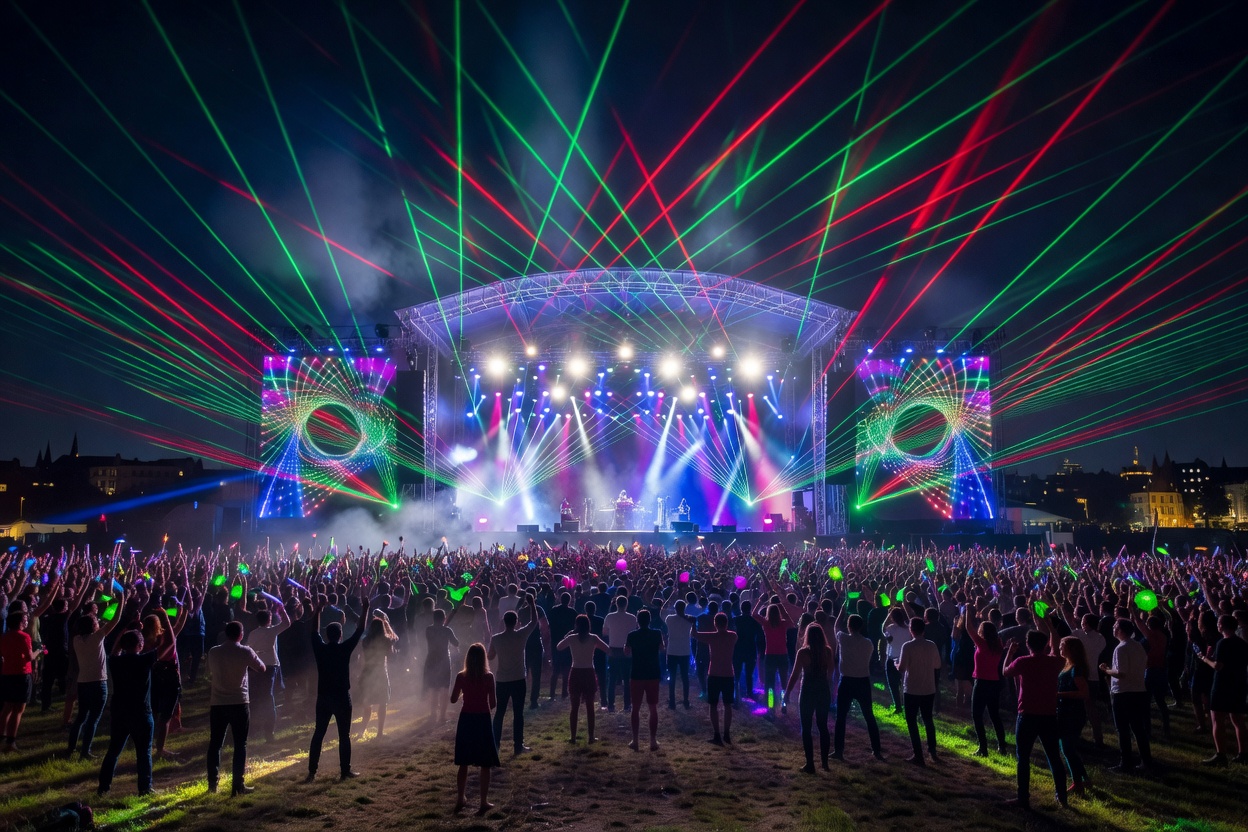
Navigating the Spectrum: Electronic, Rock, Indie & Beyond
The European music festival ecosystem spans everything from multi-hundred-thousand attendee giants to intimate woodland gatherings capped at 1,500 tickets. Understanding the sound philosophy and venue layout determines whether you come back rejuvenated or utterly broken.
Electronic & Club Cults: Industrial Ruins and Sunken Quarries
European electronic music festivals are masterclasses in spatial transformation. Forget sterile parking lots; promoters here repurpose decommissioned open-cast coal mines in Germany, crumbling concrete forts on the Adriatic coastline of Croatia, and repurposed warehouse harbors along the IJ in Amsterdam.
The crowd culture varies dramatically by country and sub-genre:
- Raw Industrial Techno (Germany, Netherlands, Poland): Crowds prioritize uninterrupted marathon dancing, minimalist dark attire, and strict anti-photography policies. The focus is laser-sharp sound acoustics (often Funktion-One or L-Acoustics arrays) and cavernous, shadowy spaces.
- Balearic & Melodic Deep House (Spain, Portugal, Croatia): Staged against open sea horizons and olive groves. Music starts late in the afternoon, hits peaks around dawn, and encourages laid-back swim-break pacing.
- Bass & Experimental Breakbeat (UK, Czech Republic, Austria): Gritty, high-cadence, and intense. Sound design is heavy on low-end frequencies with dedicated soundsystem cultures running community stages.
Indie, Alternative & Rock Pilgrimages
If you lean toward guitars, brass sections, and introspective songwriting, the European indie circuit offers legendary multi-day events. From iconic muddy farmland setups in Somerset to sun-drenched coastal festivals along the Mediterranean coast of Spain, these gatherings mix global stadium headliners with underground acts you’ll brag about discovering three years from now.
A common surprise for North American visitors is schedule timing. In Spain and Portugal, headliners rarely step onto main stages before 11:30 p.m. or midnight, with auxiliary stages spinning indie-dance and psychedelic rock well past 5:00 a.m. In the UK and Scandinavia, strict municipal decibel curfews often cut outdoor sound dead by 11:00 p.m., redirecting crowds into silent discos or acoustic woodlands.
Classical, Choral & Open-Air Orchestral Festivals
Live European music isn’t just strobe lights and synth patches. The continent boasts breathtaking summer classical and orchestral festivals that take over ancient Roman amphitheatres like the Arena di Verona, palatial alpine valleys in Verbier, and historic lakeside pavilions in Lucerne and Bregenz.
These events provide stunning acoustic purity. Dress codes have relaxed substantially over the last decade—smart casual is now broadly welcomed outside of royal gala opening nights—and ticket prices often have heavily subsidized student and under-30 tiers starting around €25 to €40.
Boutique Gatherings vs. The Mega-Festival Giants
Before pulling out your payment card, honestly weigh the pros and cons of event scale. Bigger does not necessarily mean better.
| Factor | Mega-Festivals (50,000+ Guests) | Boutique Gatherings (<10,000 Guests) |
|---|---|---|
| Lineup Depth | Massive global headliners across 8–15 stages | Hyper-curated, niche discoveries, local acts |
| Logistics & Walking | 15,000–25,000 steps daily; long queues for bars/WC | Compact footprints; 5-minute stroll across grounds |
| Atmosphere & Community | Eclectic, thrilling, occasionally anonymous | Warm, easy to make friends, relaxed peer vibes |
| Accommodation Options | Massive campsite sprawl or surrounding city hotels | On-site wild camping, yurts, or cozy village guesthouses |
| Ticket Stress | Sells out in minutes via stressful virtual queue | Predictable wave drops; easier secondary market access |
Transport, Camping, and Sanity-Saving Tips
Here are three ground rules earned through plenty of blisters, missed connections, and soggy sleeping bags:
- Lock down train tickets the day they launch: European rail networks (like DB, SNCF, and Renfe) release seats 90 to 180 days out. High-speed rail is infinitely more pleasant than airport security lines after four days in a festival tent.
- Buy camping gear in the destination city, not at the venue gate: Festival supply stores near event entrances charge double for flimsy gear. Grab a decent pop-up shelter, earplugs, and electrolyte packs at a sports outlet before boarding your regional shuttle.
- Carry hard cash alongside your RFID wristband: While most European festivals use cashless wristbands, connection drops happen frequently in rural valleys. Having a €50 paper note in your pocket can mean the difference between a warm midnight meal and an empty stomach when the local internet mast gives up.